
Gold has fascinated people for centuries. It has been worn by royalty, hidden away during hard economic times, passed down through families, and used as a reliable source of quick cash when life throws unexpected expenses your way. Yet many people still do not fully understand the true value of the gold sitting in their jewelry box, dresser drawer, safe, or inherited estate collection.
At Paulding Pawn, one of the most common things customers say is:
“I had no idea this was worth that much.”
That reaction happens every single day because gold is more than jewelry. It is an asset. And when you understand gold marks, purity levels, weight, and market value, you become a smarter seller, buyer, and borrower.
Whether you are thinking about pawning gold, selling unwanted jewelry, upgrading your collection, or simply learning how to identify what you own, understanding your gold is important. The more you know, the more confident you can feel walking into a pawn shop.
This guide will help you understand:
- What gold marks mean
- How purity affects value
- What “karat” really means
- Why some gold items are worth more than others
- How pawn shops determine value
- Why local pawn shops can be one of the best places to buy and sell gold
If you have ever searched for a “pawn shop near me” or wondered whether your jewelry has hidden value, this guide is for you.
What Are Gold Marks?
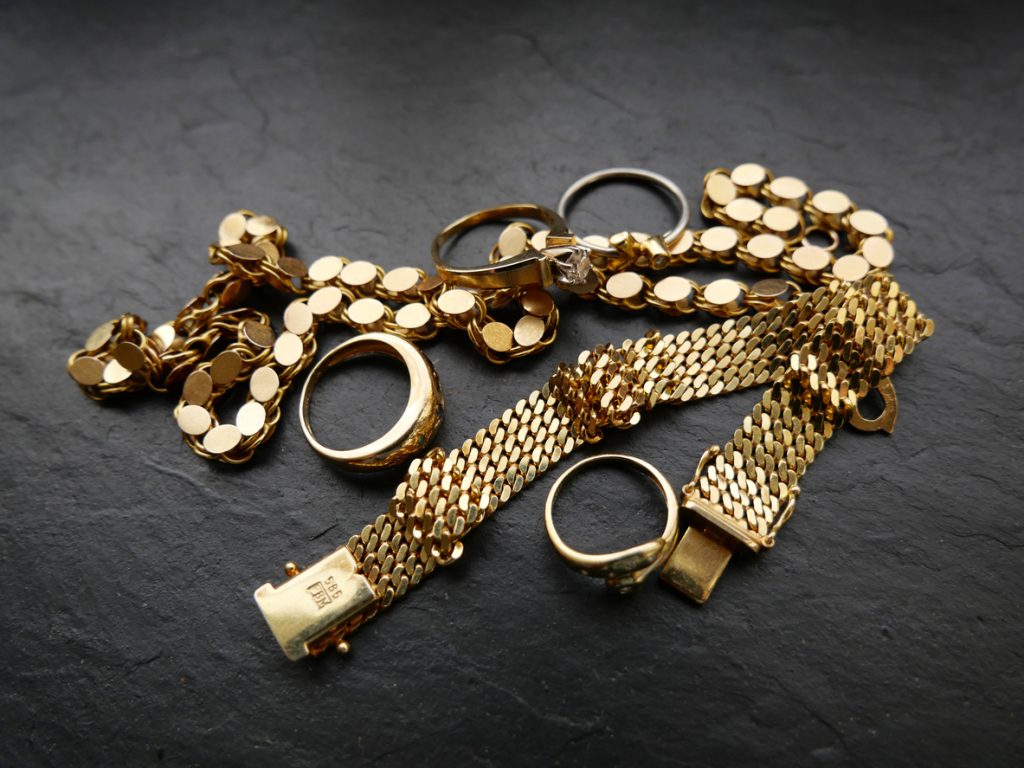
Gold marks are tiny stamps, engravings, or hallmarks placed on jewelry and precious metal items that indicate purity or manufacturer information. These marks help identify how much actual gold is contained in a piece.
They are usually found:
- Inside rings
- On bracelet clasps
- On necklace chains
- On the backs of pendants
- Inside watch bands
- On earrings or pins
Many people overlook these tiny markings, but they can reveal a great deal about an item’s value.
Some of the most common gold marks include:
- 10K
- 14K
- 18K
- 22K
- 24K
- 417
- 585
- 750
- 916
- 999
If you have ever looked at jewelry and wondered what those numbers mean, you are not alone.
Understanding Karats: What Does “14K” Really Mean?
Gold purity is measured in karats. Pure gold is considered 24 karats.
However, pure gold is soft, so it is often mixed with other metals like silver, copper, nickel, or zinc to create stronger jewelry suitable for daily wear.
Here is a simple breakdown:
24K Gold
24K=2424=100% gold24K = \frac{24}{24} = 100\% \text{ gold}24K=2424=100% gold
24K gold is nearly pure gold. It has a rich yellow appearance and is highly valuable, but it is also softer and easier to scratch or bend.
22K Gold
22K=2224≈91.6% gold22K = \frac{22}{24} \approx 91.6\% \text{ gold}22K=2422≈91.6% gold
22K gold is commonly found in international jewelry and investment pieces.
18K Gold
18K=1824=75% gold18K = \frac{18}{24} = 75\% \text{ gold}18K=2418=75% gold
18K gold contains 75% pure gold and is often used in luxury jewelry.
14K Gold
14K=1424≈58.5% gold14K = \frac{14}{24} \approx 58.5\% \text{ gold}14K=2414≈58.5% gold
14K is one of the most popular gold types in the United States because it balances beauty, durability, and value.
10K Gold
10K=1024≈41.7% gold10K = \frac{10}{24} \approx 41.7\% \text{ gold}10K=2410≈41.7% gold
10K gold contains less gold but is extremely durable and commonly used in affordable jewelry.
Why Gold Marks Matter
Knowing the mark on your jewelry helps determine:
- Purity
- Melt value
- Resale value
- Loan value
- Authenticity
Two necklaces may look identical, but one could be worth significantly more simply because it contains a higher percentage of gold.
For example:
- A thick 10K bracelet may contain less pure gold than a smaller 18K bracelet.
- Vintage or designer pieces may carry added value beyond gold content.
- Some imported jewelry uses numerical markings instead of karats.
Understanding those marks helps prevent confusion and protects you as a consumer.
Common Numerical Gold Marks Explained
Some jewelry uses numbers instead of karat labels.
Here are some common examples:
| Mark | Gold Purity |
|---|---|
| 417 | 10K Gold |
| 585 | 14K Gold |
| 750 | 18K Gold |
| 916 | 22K Gold |
| 999 | 24K Gold |
These numbers represent parts per thousand.
For example:
585=5851000=58.5% gold585 = \frac{585}{1000} = 58.5\% \text{ gold}585=1000585=58.5% gold
So when you see “585” stamped inside a ring, it means the item contains 58.5% gold, or 14K gold.
How Pawn Shops Test Gold
One of the biggest misconceptions people have is that pawn shops simply “guess” at gold value.
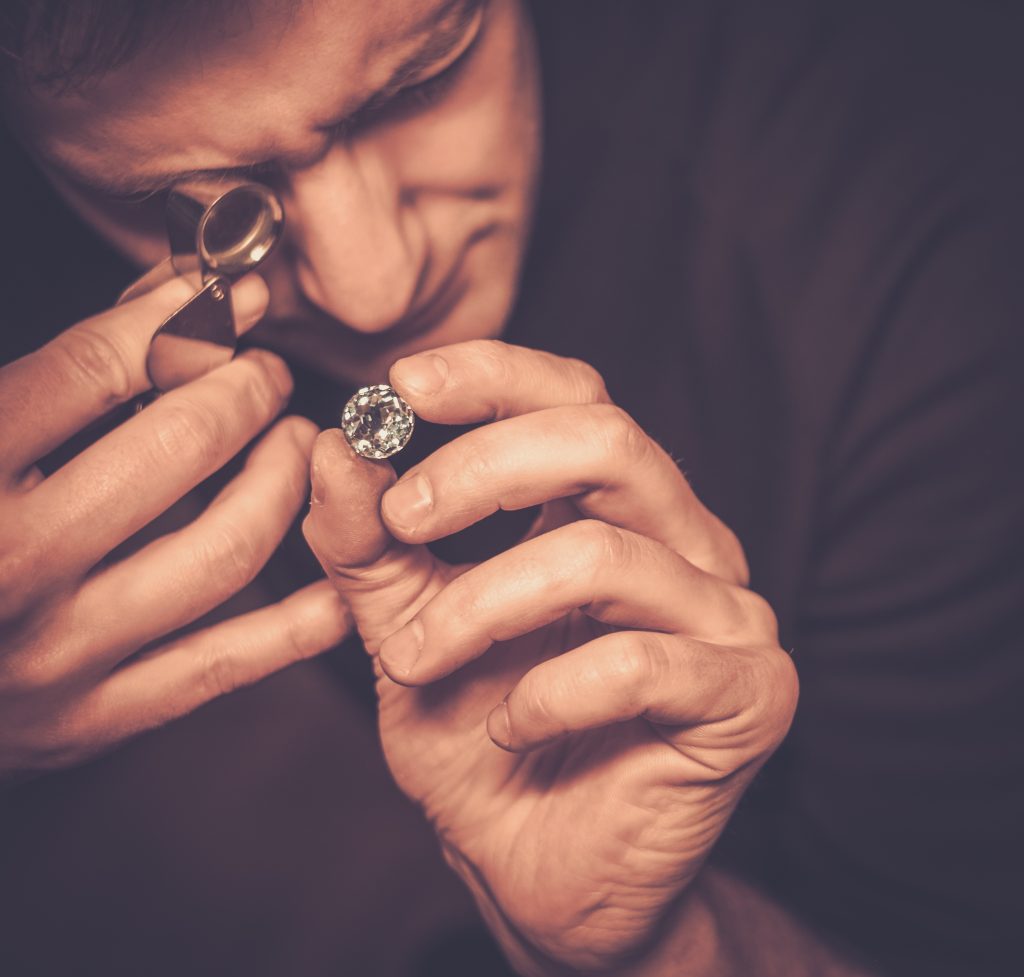
Professional pawn shops use multiple testing methods to verify authenticity and purity.
At Paulding Pawn, gold testing may include:
- Visual inspection
- Hallmark verification
- Magnet testing
- Acid testing
- Electronic testing
- Weight measurement
- Stone evaluation
- Market comparison
These methods help determine:
- If the gold is real
- What purity level it is
- Current market value
- Whether gemstones add additional value
- Whether the item has resale or collectible demand
This process protects both the customer and the pawn shop.
Gold Prices Change Daily
Gold is tied to global markets. That means the value of your jewelry can rise or fall based on:
- Inflation
- Interest rates
- Economic uncertainty
- International demand
- Currency fluctuations
- Global events
When gold prices rise, people often discover forgotten jewelry suddenly has significant value.
That broken chain in your drawer?
Those mismatched earrings?
An old class ring?
A bracelet you never wear?
They may be worth more than you think.
That is why now is often a good time to evaluate old jewelry and understand its worth.
The Difference Between Pawn Value and Retail Value
This is where many people become confused.
Retail jewelry pricing includes:
- Store overhead
- Branding
- Markup
- Labor
- Packaging
- Advertising
Pawn and resale values are different.
A pawn shop evaluates:
- Gold content
- Weight
- Purity
- Demand
- Condition
- Brand recognition
- Resale market trends
A ring purchased at a jewelry store for $2,500 does not automatically mean the gold itself is worth $2,500.
However, that does not mean it lacks value. In fact, many customers are pleasantly surprised by how much their unwanted jewelry is worth.
Gold Jewelry Is Not the Only Valuable Gold Item
When people think of gold, they usually think about necklaces and rings.
But pawn shops often buy and loan against:
- Gold coins
- Gold bars
- Luxury watches
- Dental gold
- Broken jewelry
- Estate jewelry
- Gold bracelets
- Gold earrings
- Vintage jewelry
- Gold chains
- Gold charms
- Gold nuggets
Even damaged items may still have value because gold itself remains valuable.
Broken does not mean worthless.
Estate Jewelry Can Hold Hidden Treasure
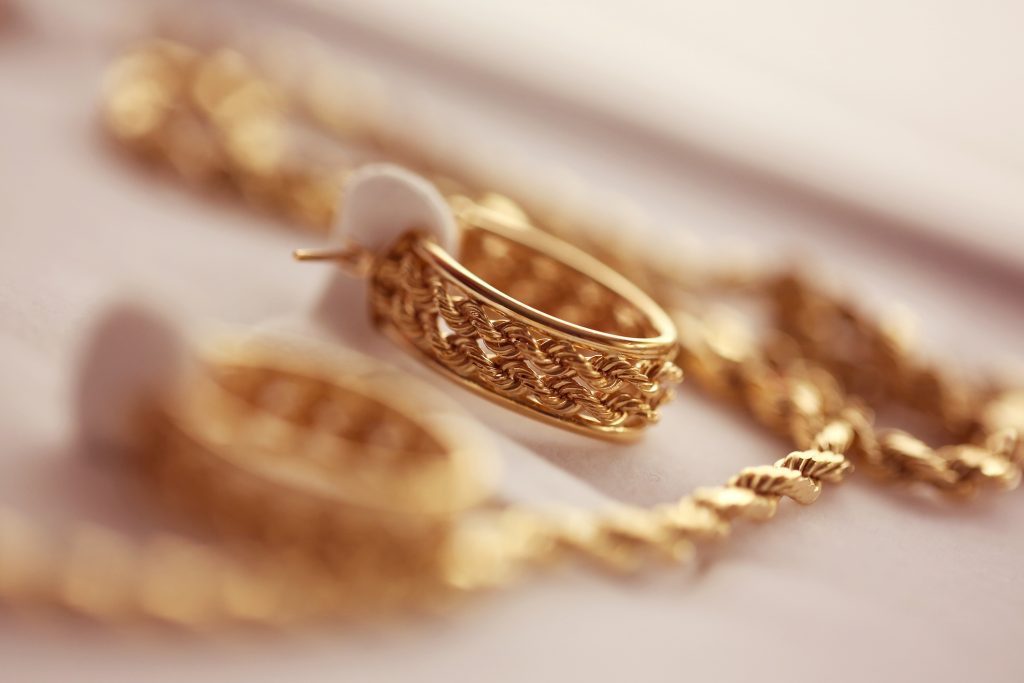
One of the most overlooked sources of gold value is estate jewelry.
Families often inherit jewelry collections without understanding:
- Gold purity
- Age
- Designer significance
- Historical value
- Antique demand
Some vintage pieces may carry:
- Higher craftsmanship value
- Rare designs
- Historical appeal
- Brand recognition
A trusted pawn shop can help identify whether an item has:
- Melt value
- Collector value
- Designer resale value
- Antique market demand
This is one reason many customers choose to visit a local pawn shop before selling online.
Why Selling Gold Locally Makes Sense
Many online “cash for gold” services sound convenient, but they often involve:
- Mailing valuables away
- Waiting for payment
- Accepting unknown offers
- Limited transparency
- Shipping risks
Working with a local pawn shop offers advantages like:
- Face-to-face evaluations
- Immediate offers
- Questions answered in real time
- No shipping concerns
- Faster transactions
- Opportunity to compare options
At Paulding Pawn, customers can walk in, learn about their jewelry, and make informed decisions without pressure.
Pawning Gold vs. Selling Gold
Not everyone wants to permanently sell their jewelry.
That is where pawn loans can help.
When you pawn gold:
- You receive a loan based on item value
- The item is securely held
- You can reclaim it after repayment
- You maintain ownership if the loan is repaid
This can be helpful for:
- Emergency expenses
- Temporary cash flow issues
- Unexpected bills
- Short-term financial needs
Many customers prefer pawning because sentimental jewelry can be recovered later.
Selling, on the other hand, is permanent.
A trusted pawn shop will explain both options clearly so customers can decide what works best for their situation.
Buying Gold at a Pawn Shop
Pawn shops are not just for selling.
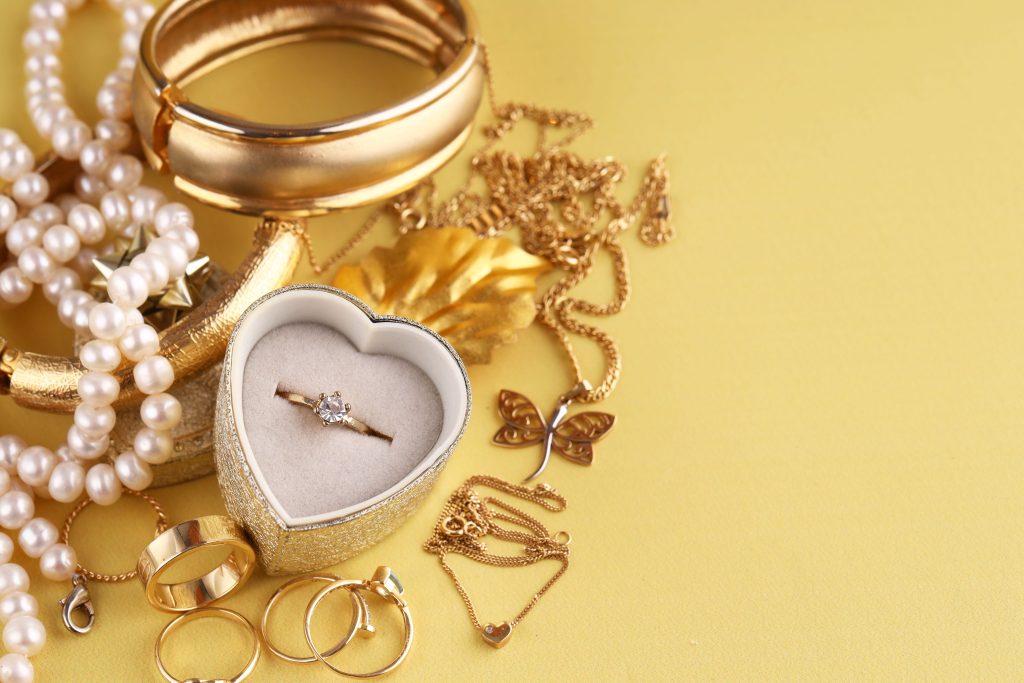
They are also one of the smartest places to buy gold jewelry.
Why?
Because customers can often find:
- Lower prices than retail stores
- Unique vintage pieces
- Luxury jewelry
- One-of-a-kind finds
- Estate jewelry
- Gold chains
- Watches
- Rings
- Earrings
Shopping at a pawn shop allows customers to stretch their budget while still purchasing genuine gold jewelry.
Many shoppers are surprised to discover they can buy high-quality gold jewelry for far less than traditional retail pricing.
How to Prepare Before Visiting a Pawn Shop
If you are planning to bring in gold, here are a few helpful tips:
Check for Marks
Look carefully for:
- 10K
- 14K
- 18K
- 585
- 750
- Other hallmarks
Separate Costume Jewelry
Not all jewelry is real gold. Separating costume pieces can save time.
Bring Matching Pieces Together
Sets may carry added value.
Bring Documentation if Available
Receipts, appraisals, or certificates can help with certain items.
Clean Your Jewelry Gently
A soft cloth can improve appearance without damaging pieces.
Be Honest About Condition
Broken jewelry can still have value.
Avoid Common Gold Myths
Myth #1: “If It’s Broken, It’s Worthless”
False. Gold still has intrinsic value.
Myth #2: “Pawn Shops Only Want Expensive Jewelry”
False. Many shops buy small gold items too.
Myth #3: “All Gold Looks the Same”
False. Purity, weight, craftsmanship, and brand all matter.
Myth #4: “Online Buyers Always Pay More”
Not necessarily. Local evaluations can be more transparent and competitive.
Myth #5: “Gold-Plated Means Solid Gold”
No. Gold-plated jewelry contains only a thin layer of gold.
Why Trust Matters in the Pawn Industry
Choosing the right pawn shop matters.
A professional pawn shop should:
- Explain the evaluation process
- Answer questions respectfully
- Offer fair market-based pricing
- Maintain a secure environment
- Operate transparently
At Paulding Pawn, helping customers understand their items is part of the process.
The goal is not just transactions. It is education, trust, and long-term relationships within the community.
Know Your Marks, Know Your Value
Gold has value far beyond appearance.
Those tiny marks stamped inside your jewelry tell a story:
- Purity
- Quality
- History
- Investment potential
- Financial opportunity
Whether you are selling old jewelry, looking for a short-term pawn loan, shopping for affordable gold jewelry, or simply curious about what you own, knowledge matters.
Understanding gold marks helps you:
- Make smarter financial decisions
- Avoid undervaluing your jewelry
- Shop more confidently
- Recognize hidden opportunities
And sometimes, the greatest surprise is discovering that something forgotten in a jewelry box may hold far more value than expected.
If you have gold jewelry, coins, watches, or estate pieces you want evaluated, visiting a trusted local pawn shop can help you better understand exactly what you have.
Because when it comes to gold, knowing your marks means knowing your value.